Chelsea Magazine arrives as a dedicated publication for one of London's most storied districts. This is a local magazine built to serve the people who live, work, and spend time in Chelsea; to document the area's character, report on matters that affect residents, and provide a platform for community voices.
The Character of Chelsea
Chelsea sits on the north bank of the River Thames in West London, forming part of the Royal Borough of Kensington and Chelsea. The area's name derives from Old English, with "Cealc-hyth" referring to a chalk wharf or landing place on the river. This etymology hints at the district's ancient origins as a settlement where the Thames provided both livelihood and connection to the wider world.
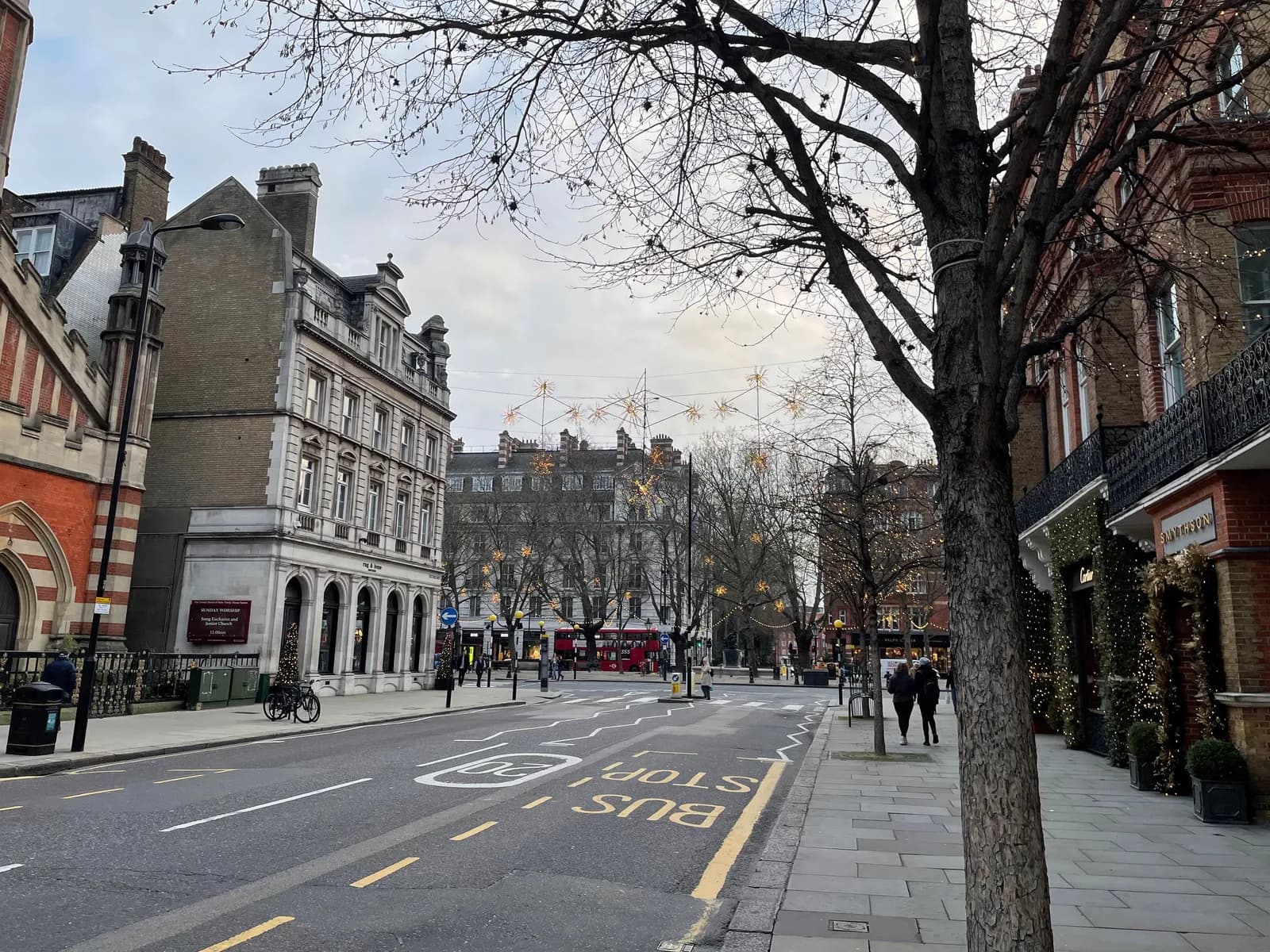
Today, Chelsea maintains a distinct identity within the capital. The neighbourhood blends grand Georgian terraces with modern developments, exclusive boutiques with established family businesses, and quiet residential streets with bustling thoroughfares. King's Road, once a private route for Charles II, runs through the heart of the district and has served as a cultural barometer for decades.
A District of Contrasts
Chelsea encompasses multiple characters within its boundaries. Sloane Square anchors the eastern end with its theatre district and retail offerings. The area around the Royal Hospital Chelsea provides a more contemplative atmosphere, where the distinctive scarlet coats of the Chelsea Pensioners offer a reminder of the district's long association with military history. To the west, the streets grow quieter and more residential, with garden squares and period architecture.
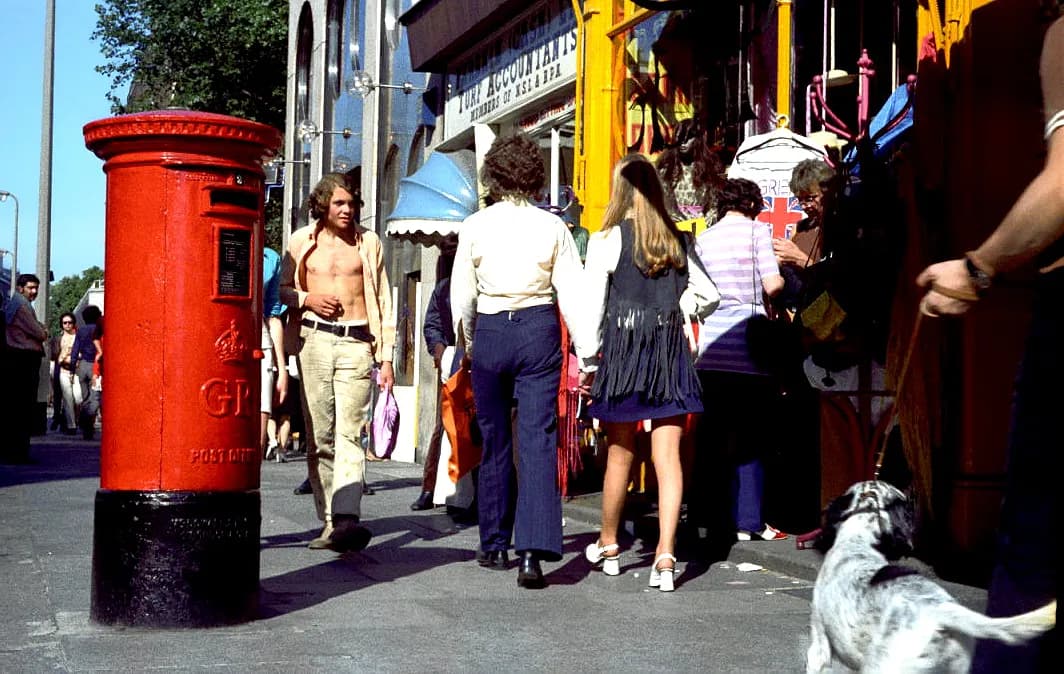
The neighbourhood has historically attracted artists, writers, and radicals. Figures from Oscar Wilde to the punk bands of the 1970s found space here. King's Road in particular became synonymous with cultural movements that rippled outward to influence British society more broadly.
Institutions and Landmarks
Several institutions define Chelsea's public life. The Royal Hospital Chelsea, founded in the 17th century, remains an active retirement home for former British Army soldiers and a site of architectural significance. The Chelsea Physic Garden, established in 1673, continues its original mission as a botanical garden dedicated to medicinal plants and education. The Saatchi Gallery occupies a prominent position on King's Road, presenting contemporary art to local and visiting audiences.
The annual Chelsea Flower Show, held on the grounds of the Royal Hospital, brings the district to international attention each May. This Royal Horticultural Society event transforms the hospital grounds into a showcase of garden design and horticultural excellence, drawing visitors from across Britain and beyond.
Local Life and Community
Beyond the landmarks, Chelsea functions as a residential neighbourhood. Families occupy Victorian houses and mansion flats. Young professionals share converted properties. Older residents have witnessed decades of change. The area's schools, churches, and community centres serve these populations daily.
Chelsea Magazine aims to reflect this lived reality. Coverage will include planning developments that affect residents, changes to local services, profiles of community figures, and examinations of issues relevant to those who call the district home. The magazine will also attend to practical matters: transport updates, new business openings, cultural events, and the small decisions that shape neighbourhood life.
Editorial Approach
This publication operates on the principle that local journalism matters. Decisions made by the Royal Borough of Kensington and Chelsea council affect daily life. The condition of parks, streets, and public spaces matters. The viability of local businesses matters. The concerns of residents matter.
Chelsea Magazine will report on these matters with accuracy and fairness. Articles will be researched, claims will be verified, and multiple perspectives will be sought where controversy exists. The publication will maintain independence and will not serve as a promotional vehicle for commercial interests.
Looking Forward
Chelsea continues to evolve. Property development pressures, transport infrastructure changes, and shifting retail patterns all present challenges and opportunities. The area's population changes as housing costs rise and demographics shift. Environmental concerns, particularly flooding risks given the proximity to the Thames, require attention.
Chelsea Magazine intends to document these developments as they unfold, providing readers with the information needed to understand and engage with their community. The publication welcomes reader input, story suggestions, and feedback on coverage.
The magazine begins with this issue. Future editions will delve deeper into specific aspects of Chelsea life, from historical explorations to contemporary issues. The aim is to create a publication worthy of the neighbourhood it serves.