Chelsea Magazine arrives as a dedicated chronicle of life in one of London's most distinctive districts. This publication will serve as a record of Chelsea's continuing story; from its ancient origins as a chalk landing on the Thames to its current status as a centre of culture, commerce, and community.
The Character of Chelsea
Chelsea occupies a unique position in London's geography and imagination. The area sits on the north bank of the River Thames, approximately 2.5 miles south-west of Charing Cross, forming the southern portion of the Royal Borough of Kensington and Chelsea. Its population was recorded at 41,440 in the 2011 census across the wards of Cremorne, Stanley, Royal Hospital, Redcliffe, and Hans Town.
The district's name derives from the Old English "Cealc-hyð," meaning a landing place for chalk or limestone. This riverside heritage remains central to Chelsea's identity, with the Thames providing both a physical boundary and a source of the area's historical prosperity.
A History Written in Stone and Brick
Chelsea's documented history extends back to at least 787 AD, when the Synod of Chelsea was held here. King Henry VIII acquired the manor in 1536; both Catherine Parr and Anne of Cleves later resided at the Manor House. By 1694, Chelsea was described as "a village of palaces," a characterisation that still resonates in its grand domestic architecture.
The Royal Hospital Chelsea stands as the area's most significant institutional landmark. Founded by King Charles II in 1682 and designed by Sir Christopher Wren, it opened to pensioners in 1692. The 66-acre site continues to house approximately 300 Chelsea Pensioners, veterans of the British Army who remain a visible presence in their distinctive scarlet and blue uniforms.
The Chelsea Physic Garden represents another enduring institution. Established in 1673 by the Worshipful Society of Apothecaries for the cultivation of medicinal plants, the 3.5-acre Grade I listed garden is among Britain's oldest botanical gardens. Its rock garden holds the distinction of being Europe's oldest devoted to alpine and Mediterranean plants.
Gardens, Galleries, and King's Road
The Royal Hospital's grounds have hosted the RHS Chelsea Flower Show annually since 1913. The event attracts approximately 157,000 visitors each year, with daily attendance capped at 40,000 due to the 11-acre site's capacity. From 2012 to 2024, the alternative Chelsea Fringe ran concurrently, featuring up to 200 events at its peak.
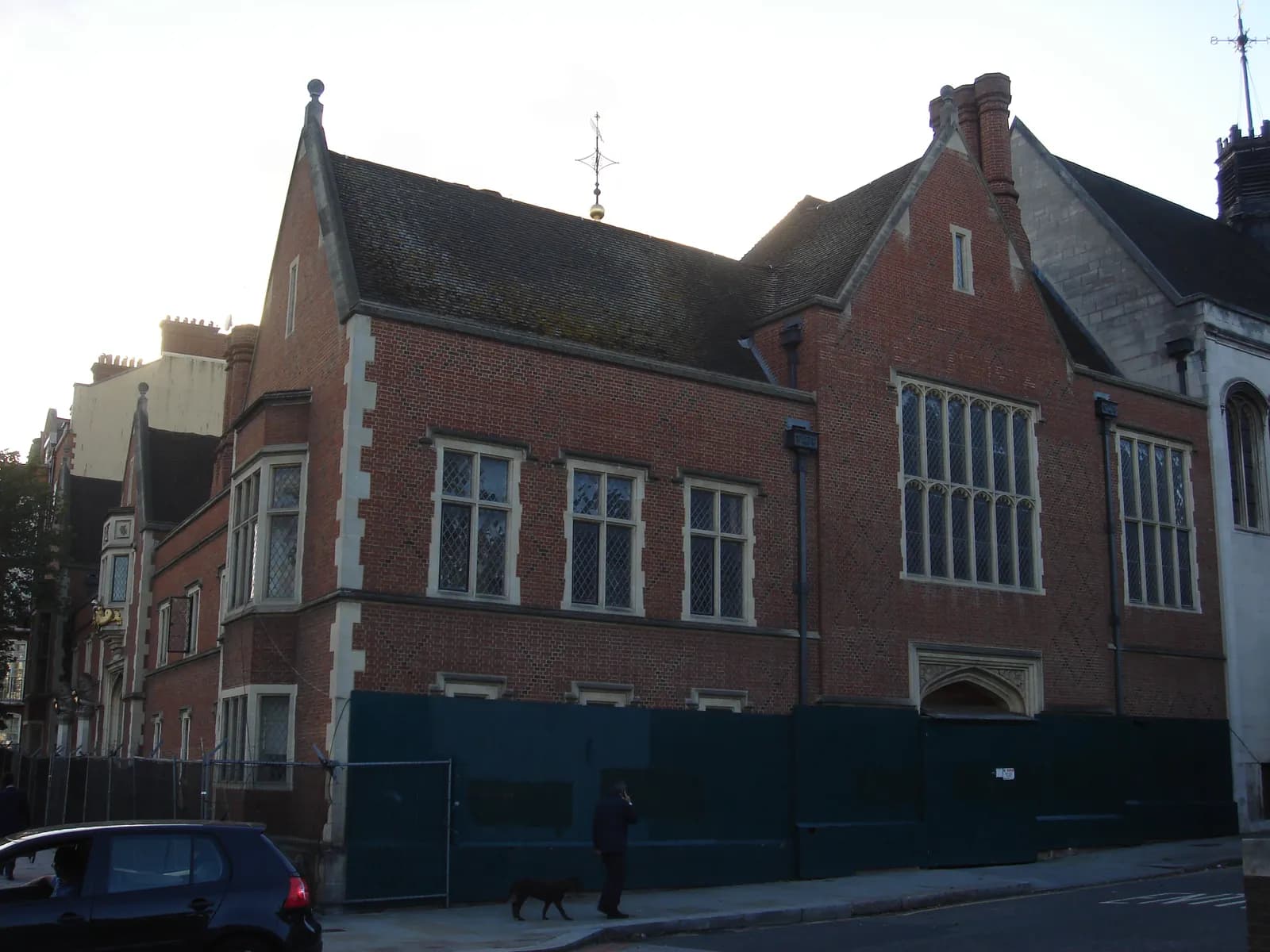
Contemporary culture finds its expression at the Saatchi Gallery, which opened in its current location at the Duke of York's Headquarters on King's Road in October 2008. The gallery occupies 70,000 square feet across 15 exhibition spaces and drew over one million visitors in 2016.
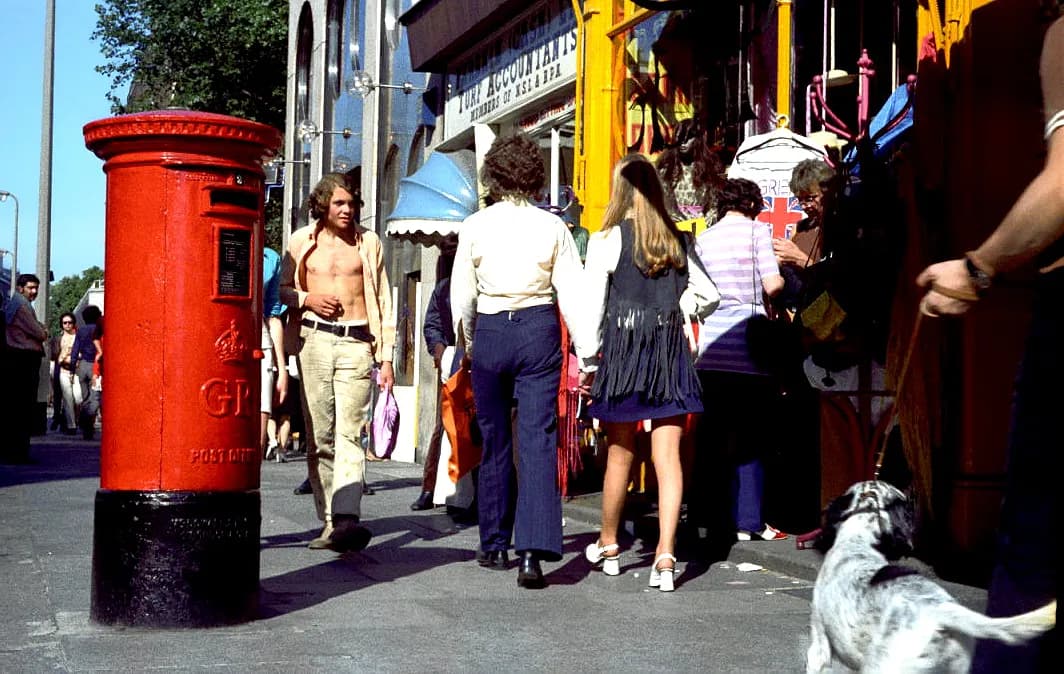
King's Road itself remains central to Chelsea's commercial and social life. The 1.9-mile thoroughfare was originally a private road for King Charles II's travel to Kew; it remained closed to the public until 1830. In the 1960s, it became synonymous with "Swinging London," with Mary Quant opening her boutique Bazaar in 1955. The 1970s saw Malcolm McLaren and Vivienne Westwood operate the boutique "SEX" at number 430, a space widely recognised as the birthplace of the British punk movement.
Civic Life and Contemporary Concerns
The Chelsea Society, founded in 1927 as a registered charity, works to protect the interests of residents and preserve the area's unique character. Current local matters under the Society's attention include a proposed 29-storey development at the south end of Battersea Bridge, the ongoing Gaumont development on King's Road, and concerns regarding pavement obstruction by hire bicycles raised with the Royal Borough in March 2026.
Chelsea's residents reflect its international character. The 2001 census recorded that 6.53 per cent of residents were born in the United States, giving the area one of London's largest American communities.
The Purpose of This Magazine
Chelsea Magazine will document the district's institutions, characters, and developments with accuracy and independence. Coverage will include planning matters, cultural events, local commerce, heritage preservation, and the practical concerns of daily life in the SW3 and SW10 postal districts. The publication will serve as a record of what matters to those who live and work here, grounded in the specific facts of Chelsea's geography, history, and contemporary circumstances.