For more than three centuries, the Royal Hospital Chelsea has stood as a landmark of continuity at the heart of SW3. Founded by King Charles II and designed by Sir Christopher Wren, this 66-acre site continues to provide a home to nearly 300 Army veterans while preserving traditions that date back to the seventeenth century.
From Royal Charter to Living Institution
The hospital's origins lie in letters patent issued on 22 December 1681, with King Charles II laying the first stone on 17 February 1682. The institution was inspired by Les Invalides in Paris and represented a revolutionary commitment to care for former soldiers. Sir Stephen Fox, who donated £1,300 towards the project, was instrumental in bringing the vision to fruition. The first pensioners arrived in 1689, and the hospital officially opened its doors on 4 February 1692.
Construction costs between 1681 and 1702 totalled £152,000 plus £4,860 for the site, funded initially through deductions from Army pay until Parliament began voting funds in 1847. The hospital occupies land that once held "Chelsey College," an incomplete foundation established by James I in 1609. What emerged instead would become one of Britain's most enduring charitable institutions.
Wren's Architectural Legacy
Sir Christopher Wren's design centres on Figure Court, a masterpiece of late-seventeenth-century architecture that remains the hospital's focal point. The complex later expanded to include Light Horse Court and College Court, creating the comprehensive layout visible today. The Chapel, completed in 1687 and consecrated on 30 August 1691 by Bishop Henry Compton, rises 42 feet and continues to serve the pensioner community.
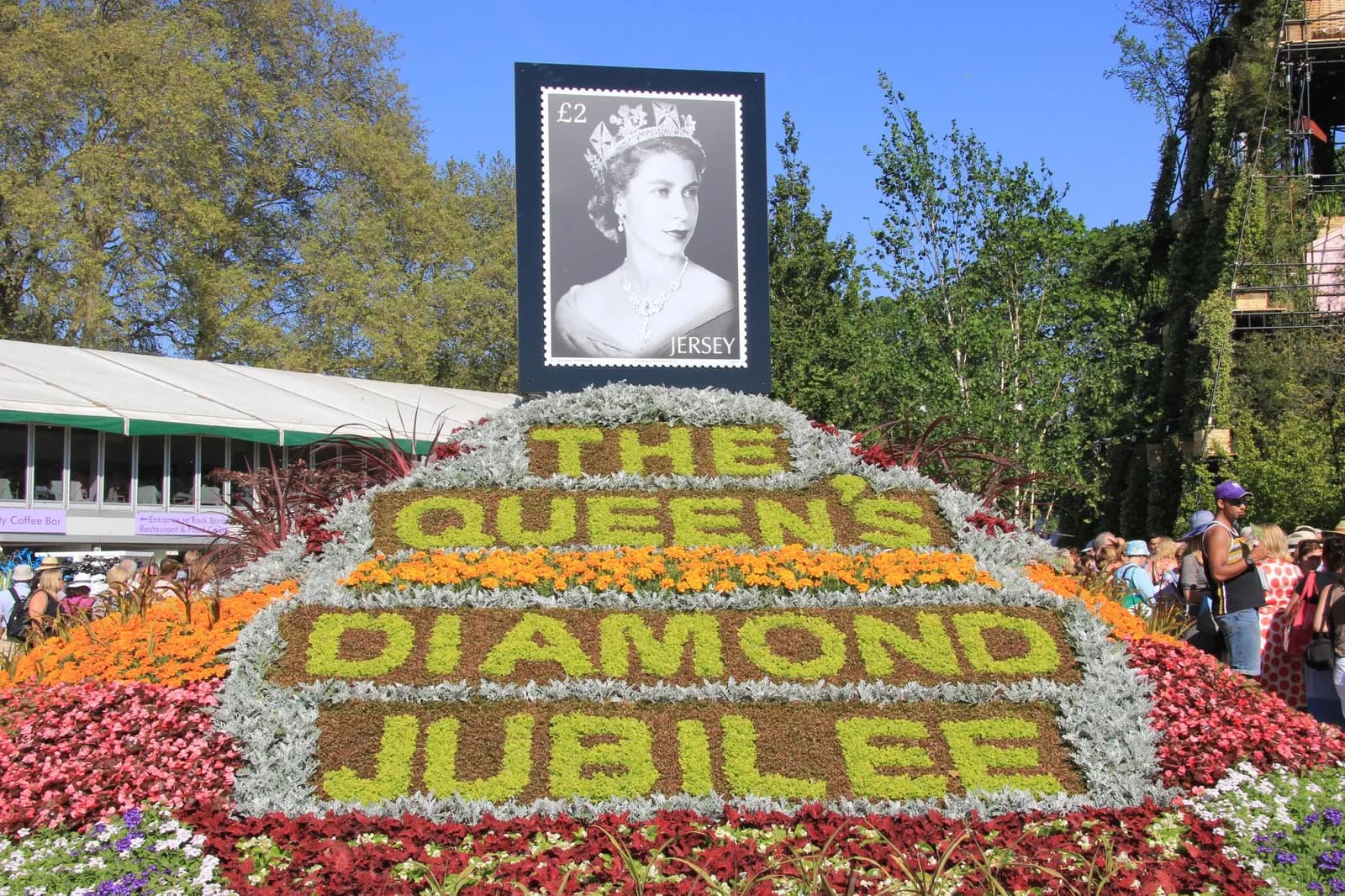
The Great Hall features a mural depicting Charles II on horseback crowned by Victory. This space holds particular historical significance as the location where the Duke of Wellington lay in state in 1852. Dominating Figure Court stands a 7'6" copper alloy statue of Charles II by Grinling Gibbons. Originally gilded, it was bronzed in 1787 and regilded in 2002 for Queen Elizabeth II's Golden Jubilee.
The Chelsea Pensioners Today
The scarlet-coated Chelsea Pensioners have become iconic figures, though the uniform reserved for ceremonial occasions and public representation is supplemented by blue "blues" for daily wear on-site. Eligibility requires veterans to be of State Pension age, former soldiers or non-commissioned officers of the British Army, without spouses or dependent children under 18, and capable of living independently. Upon admission, pensioners surrender their Army pension and may need to make a financial contribution.
Accommodation consists of single en-suite "berths" along the Long Wards, with communal lounges fostering the strong sense of community that defines hospital life. The Margaret Thatcher Infirmary, opened in 2009, houses approximately 100 pensioners and provides nursing care, GP services, a gym, and a hydrotherapy pool. The same year marked another milestone when Winifred Phillips and Dorothy Hughes became the first women admitted as Chelsea Pensioners.
Pensioners are organised into four companies, each headed by a Captain of Invalids, maintaining a military structure within the retirement community.
Traditions That Endure
Founder's Day, observed near 29 May, combines Charles II's birthday with the anniversary of the Restoration. On this occasion, pensioners wear oak leaves, and the statue of Charles II in Figure Court is dressed with oak leaves while a member of the Royal Family reviews the assembly.
Christmas at the hospital involves several distinctive ceremonies. The Ceremony of the Christmas Cheeses, dating to 1692 and organised by Dairy UK since 1959, sees a pensioner cut cheese with a sword. The Ceremony of the Christmas Cake, introduced in 1949, features a cake presented by the Australian Returned and Services League, also cut with a sword. The Stirring of the Christmas Pudding, practised for over 80 years, incorporates 70 eggs, five kilogrammes of currants, and 14 pints of Guinness. In 2002, the hospital received the Sovereign's mace, which is carried at ceremonial events.
Ranelagh Gardens and the Chelsea Connection
The hospital grounds include Ranelagh Gardens, former eighteenth-century pleasure gardens Grade II listed on the Register of Historic Parks and Gardens. The original Rotunda, built in 1742 and measuring 120 feet in diameter, was demolished in 1805, though its legacy includes a notable performance by the young Mozart on 29 June 1764. The gardens remain part of the hospital's 66-acre estate on Royal Hospital Road.
Since 1913, these grounds have hosted the RHS Chelsea Flower Show, attracting approximately 165,000 visitors annually and establishing the hospital as a fixture in the borough's cultural calendar. The show has taken place every year except during the two World Wars, making it one of the area's defining annual events.
Community Engagement and Recent Developments
The hospital maintains active connections with the local Chelsea community through various programmes. Wellbeing Tuesday sessions support isolated older adults, while dementia-inclusive art, singing, and sensory sessions welcome local residents. Monthly coffee mornings bring together pensioners and locals, and partnerships with the World's End estate schools strengthen neighbourhood ties.
The Queen Elizabeth II Memorial Veterans Centre, officially opened by the Duchess of Edinburgh on 13 April 2026, offers weekly drop-in sessions for veterans every Thursday from 10:00 to 12:30. Housed in the restored Soane Stable Yard, a Grade I listed building, the centre provides outreach events and community facilities funded by the National Lottery Heritage Fund.
Public engagement extends to tours led by Chelsea Pensioners themselves. Standard tours cost £30 for adults and £17.50 for children, while a specialised Wellington Hall Museum tour, launched in December 2025, offers rare access to the museum at £15 for adults.
Recent developments include the completion of the Soane Stable Yard restoration in 2023, creating a new activity centre for pensioner hobbies. In March 2026, Chelsea Pensioner Roy Palmer launched the UK arm of International War Animal Day, demonstrating the institution's continuing relevance. As of 2026, General Sir Adrian Bradshaw serves as Governor, with David Richmond as Chief Executive Officer.
The hospital also played a formal role in national life when it served as a meeting point for foreign dignitaries attending Queen Elizabeth II's funeral in September 2022.
What Is Confirmed
The founding dates, architectural details, pensioner numbers, eligibility criteria, and ceremonial traditions are all verified through the hospital's official records and established historical sources. The recent opening of the Queen Elizabeth II Memorial Veterans Centre in April 2026 is confirmed.
What Is Unclear
Specific attendance figures for recent public events and the precise current number of applications to become a Chelsea Pensioner are not available in the sourced materials.